The American Revolution Museum chronicles America’s evolution from colonial status to nationhood through a unique blend of thematic exhibits and outdoor living history.
Learn more from:
official website


What was it like to sail to the New World? Your students will experience the first settlement in America, Jamestown, and see real life examples of the lifestyle of these settlers as well as living examples of Colonial Williamsburg.

The American Revolution Museum chronicles America’s evolution from colonial status to nationhood through a unique blend of thematic exhibits and outdoor living history.
Learn more from:
official website
Colonial Williamsburg helps guests look back and see the family as both an agent of change and a product of historical forces.
Learn more from:
official website
The Siege of Yorktown, Battle of Yorktown, or Surrender of Yorktown , the latter taking place on October 19, 1781, was a decisive victory by a combined assault of American forces led by General George Washington and French forces led by the Comte de Rochambeau over a British Army commanded by Lieutenant General Lord Cornwallis.
Learn more from:
wikipedia.com | official website
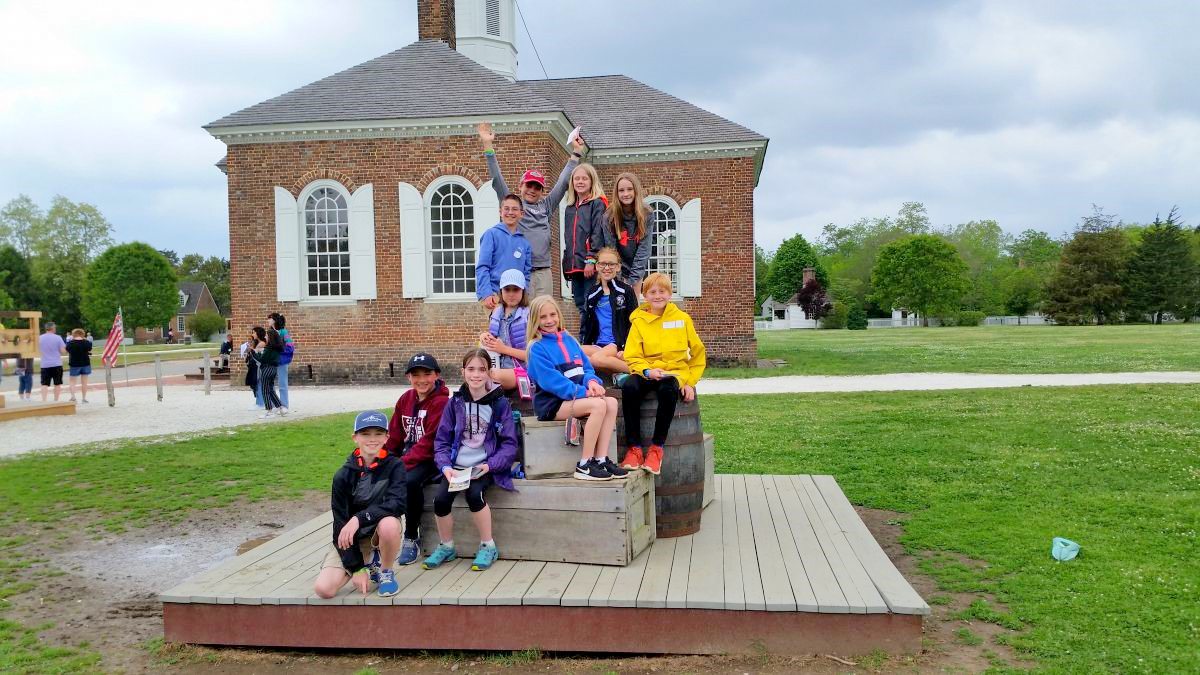
Colonial Williamsburg is the private foundation representing the historic district of the city of Williamsburg, Virginia, USA.
Learn more from:
wikipedia.com | official website
As a tradition in Virginia, since 1934, Virginia's state legislators have reassembled for a day every other year in the Capitol building at the east end of Colonial Williamsburg's Historic Area.
Learn more from:
wikipedia.com | official website
Virginia's general assembly ordered a "substanciall brick prison" built in Williamsburg soon after it decided to make the city the colony's new capital.
Learn more from:
official website
Raleigh Tavern in Williamsburg, Virginia, gained some fame in the pre-American Revolutionary War Colony of Virginia as a gathering place for the Burgesses after several Royal Governors officially dissolved the House of Burgesses, the elected legislative body, when their actions did not suit the Crown.
Learn more from:
wikipedia.com | official website
Thomas Jefferson's "Ideas on American Freedom" was first printed on Clementina Rind's hand-pulled press.
Learn more from:
official website
The Colonial Williamsburg Courthouse was constructed from 1770-1771 in the Georgian style.
Learn more from:
wikipedia.com | official website
The Governor's Palace, home of the Colony of Virginia's Royal Governors as well as Virginia's post colonial governors, is located on Duke of Gloucester Street in Williamsburg, Virginia.
Learn more from:
wikipedia.com | official website
Some of the best traditional artisans in the country practice their trades at more than twenty Colonial Williamsburg sites.
Learn more from:
official website
When the sun sets, Colonial Williamsburg’s live entertainment continues.
Learn more from:
official website

Jamestown Settlement is a name used by the Commonwealth of Virginia's portion of the historical sites and museums at Jamestown.
Learn more from:
wikipedia.com | official website
The Powhatan Indian village is based on archaeological findings at a site once inhabited by Paspahegh Indians, the Powhatan tribal group closest to Jamestown, and descriptions recorded by English colonists.
Learn more from:
official website
Susan Constant, captained by Christopher Newport, was the largest of three ships of the English Virginia Company (the others being the Discovery and the Godspeed) on the 1606-1607 voyage that resulted in the founding of Jamestown in the new Colony of Virginia.
Learn more from:
wikipedia.com | official website
Jamestown was a settlement in the Colony of Virginia.
Learn more from:
wikipedia.com | official website
The Jamestown Glasshouse is located in Jamestown, Virginia about 1 mile from Jamestown Island, location of the first permanent English settlement, and is a part of the Colonial National Historical Park.
Learn more from:
wikipedia.com | official website
Shirley Plantation is an estate located on the north bank of the James River in Charles City County, Virginia.
Learn more from:
wikipedia.com | official website
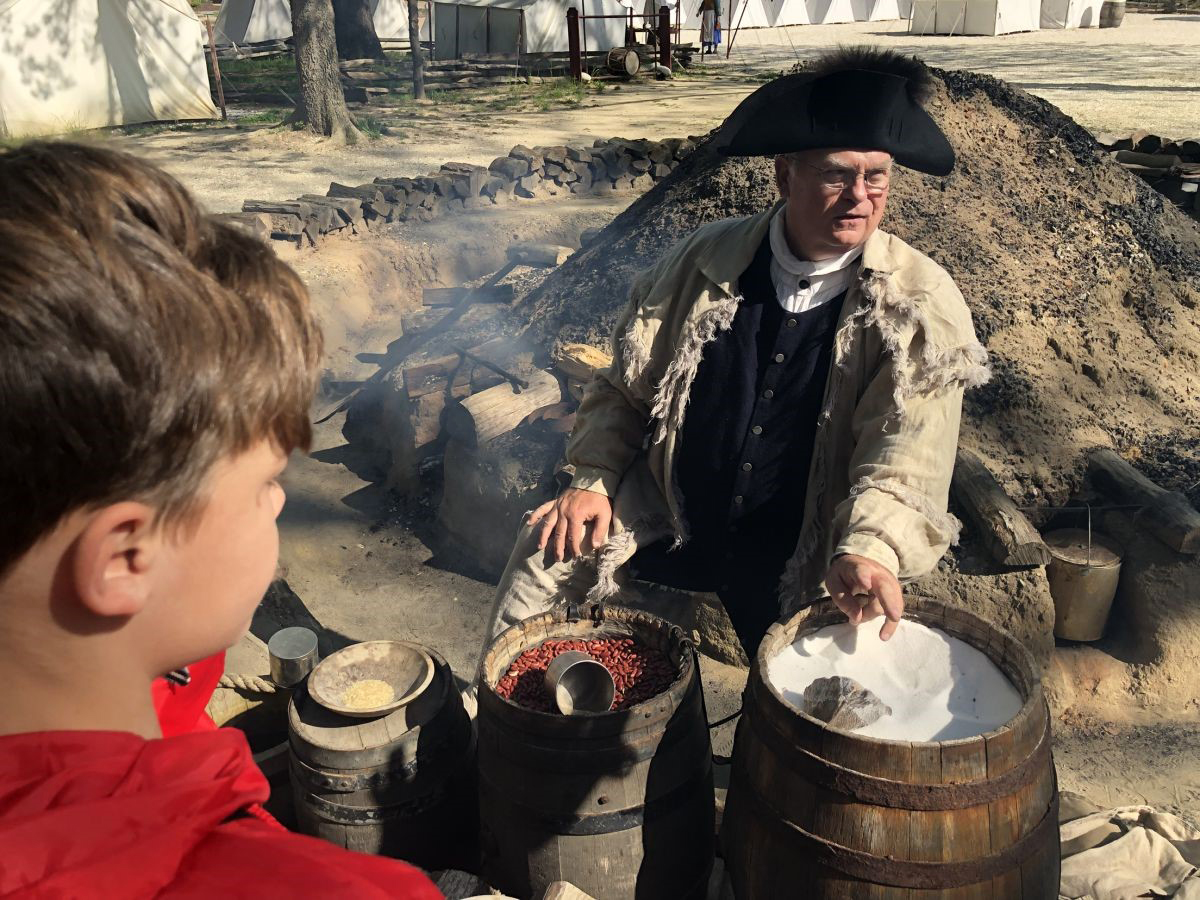
Listed on the National Register of Historic Places, a Virginia Historic Landmark, and a National Historic Landmark, Pamplin Historical Park is recognized as one of America's premier historical attractions and as the most innovative Civil War history park in the country.
Learn more from:
official website
The National Museum of the Civil War Soldier is one of America's outstanding Civil War museums.
Learn more from:
official website
The house was home to the Boisseau family, ancestors of the Pamplins, and during the Civil War was used as the headquarters of Confederate General Samuel McGowan.
Learn more from:
official website
The Military Encampment is located on ground once used by Brigadier General Samuel McGowan's (South Carolina) Brigade from October 1864 through March 1865 and reflects the typical appearance of a Civil War-period camp.
Learn more from:
official website